SPECIAL WHOLESALE PRICES AVAILABLE - CONTACT US FOR BULK ORDERS

Best Cities in India to Sell Cotton Mulmul Sarees (Based on Demand Trends)
Cotton mulmul sarees are not high-fashion products. They are comfort-driven, climate-driven, and lifestyle-driven. That means demand does not come equally from all cities. Some cities buy mulmul for daily wear, some for workwear, and some for summers and travel. This guide explains where cotton mulmul sarees sell best in India—and why.
hemant chhipa
1/18/2026
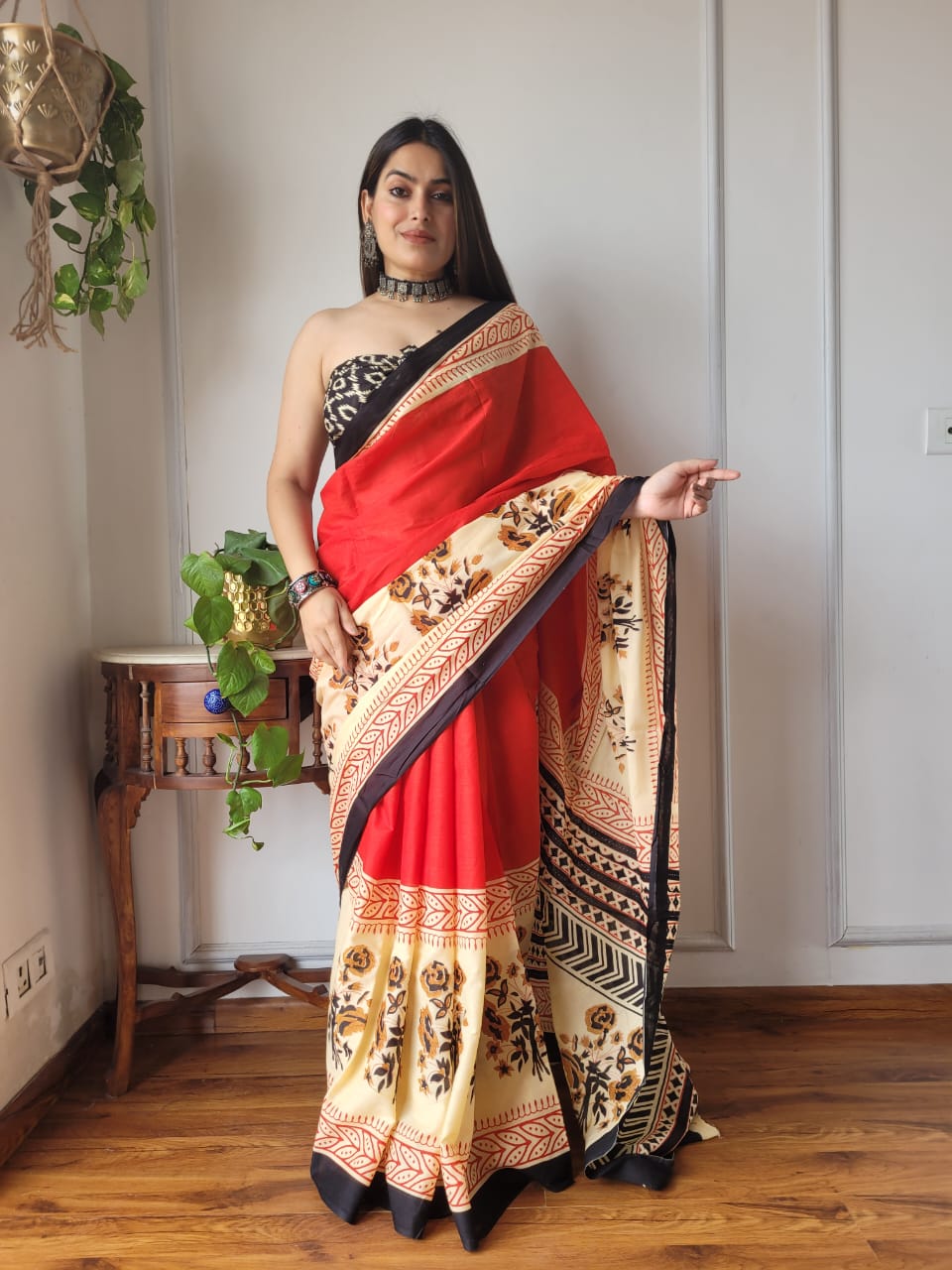
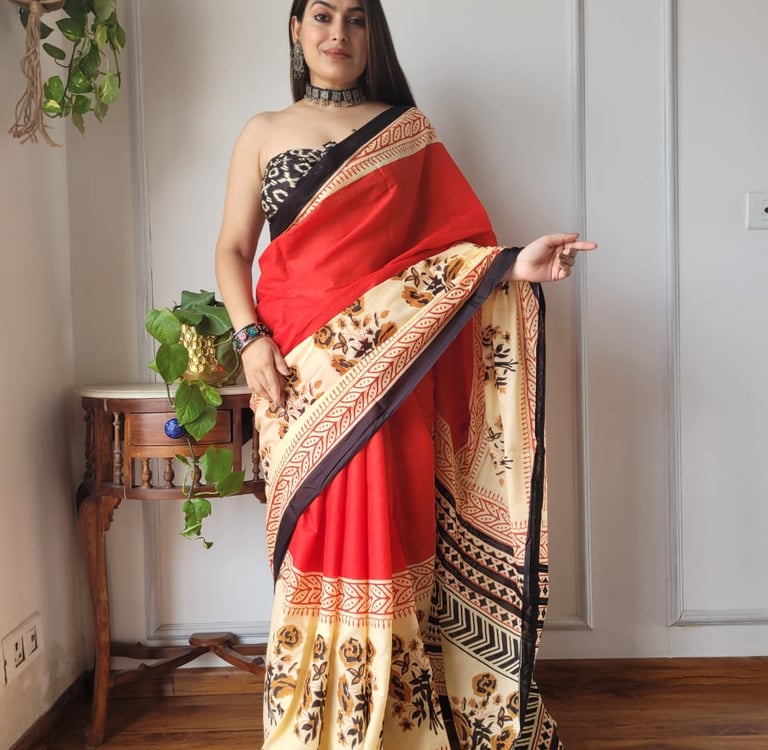
1. Kolkata – The Biggest and Most Stable Market
Kolkata is one of the strongest markets for cotton mulmul sarees in India.
Why Demand Is High:
Hot and humid climate
Daily saree-wearing culture
Strong appreciation for handloom and cotton
Women prefer comfort over heavy fabrics
What Sells Well:
Plain and printed cotton mulmul
Soft pastel shades
Traditional block prints
Kolkata buyers value fabric feel more than brand name.
2. Jaipur – Fashion + Tradition Combined
Jaipur is not just a production hub—it is also a strong selling market.
Why Jaipur Works:
Extreme summer heat
Strong local and tourist demand
High acceptance of hand block prints
Boutiques actively promote cotton wear
What Sells Well:
Hand block printed mulmul sarees
Indigo, Bagru, Ajrakh-inspired designs
Natural dye looks
Jaipur buyers understand craftsmanship and are willing to pay for it.
3. Ahmedabad – Everyday Cotton Market
Ahmedabad has a deep-rooted cotton culture.
Why Demand Is Consistent:
Hot weather for most of the year
Women wear sarees regularly
Preference for breathable fabrics
Practical buying mindset
What Sells Well:
Simple cotton mulmul sarees
Light prints
Affordable price ranges
Ahmedabad buyers look for value and durability, not heavy styling.
4. Surat – Volume-Driven Demand
Surat is known for synthetic sarees, but cotton mulmul demand is growing steadily.
Why:
Rising awareness of summer comfort
Growing working-women segment
Increasing boutique culture
What Sells Well:
Budget-friendly mulmul sarees
Daily wear designs
Soft but slightly structured fabric
Surat works best for volume sellers, not ultra-premium mulmul.
5. Mumbai – Lifestyle & Workwear Market
Mumbai is not climate-friendly for heavy sarees.
That creates a steady demand for mulmul.
Why Mulmul Sells:
Humid weather
Working women prefer easy drape
Customers like minimal, elegant sarees
What Sells Well:
Solid colors
Subtle prints
Modern block patterns
Mumbai buyers pay for comfort + clean look, not loud designs.
6. Pune – Young and Educated Buyer Base
Pune is a growing cotton saree market, especially among younger women.
Why:
Pleasant but warm climate
Office-going women
Preference for light and breathable sarees
What Sells Well:
Contemporary prints
Neutral shades
Lightweight mulmul with good finishing
Pune buyers are informed and ask questions about fabric quality.
7. Bangalore – Slow but High-Quality Demand
Bangalore demand is not huge, but it is premium and stable.
Why:
Educated buyers
Strong interest in sustainable fashion
Preference for natural fabrics
What Sells Well:
Handloom mulmul
Natural dyed prints
Minimal designs
Bangalore buyers value story and process, not discounts.
8. Chennai – Seasonal but Strong Summer Demand
Chennai has extreme heat, which supports cotton demand.
Why Demand Peaks:
Summer season
Office and daily wear usage
Cultural acceptance of cotton sarees
What Sells Well:
Plain mulmul
Temple border styles
Soft, breathable weaves
Demand is seasonal but strong.
9. Hyderabad – Emerging Cotton Market
Hyderabad is slowly moving from heavy fabrics to lighter cottons.
Why:
Rising temperatures
Urban lifestyle shift
Boutique culture growth
What Sells Well:
Printed mulmul sarees
Mid-range pricing
Easy-care fabrics
Good city for online resellers and Instagram sellers.
10. Delhi NCR – Style-Driven Demand
Delhi NCR demand is trend-based, not daily-wear based.
Why:
Strong boutique market
Fashion-conscious buyers
Seasonal buying patterns
What Sells Well:
Designer-style mulmul
Statement prints
Limited collections
Delhi works best for curated and premium-looking mulmul sarees.
Cities Where Mulmul Sells Slower
Mulmul demand is usually lower in:
Cold climate cities
Regions where heavy sarees dominate year-round
Markets focused only on wedding wear
Mulmul is a comfort saree, not a ceremonial one.
Online & Instagram Selling: City Doesn’t Matter Much
For online sellers:
Climate matters more than location
Summer months drive demand
Clear fabric education improves conversion
Cities with hot weather convert faster for mulmul online.
Final Truth
Cotton mulmul sarees sell best where comfort matters more than show—and climate decides comfort.
If you align your stock with the right cities, seasons, and buyer mindset, mulmul becomes one of the fastest-moving cotton sarees.
Morviya Textile is a trusted cotton mulmul saree wholesaler and manufacturer, specializing in authentic hand block printed sarees crafted by skilled artisans.
We supply premium quality sarees to wholesalers, retailers, boutique owners, and online resellers across India with a strong focus on consistency, fabric purity, and timeless designs.