SPECIAL WHOLESALE PRICES AVAILABLE - CONTACT US FOR BULK ORDERS
How Cotton Mulmul Sarees Are Manufactured: From Yarn to Finished Saree
At first glance, a cotton mulmul saree looks simple—lightweight, soft, and effortless. But in reality, a lot of skill, experience, and careful processes go into making one perfect mulmul saree. If you are a boutique owner, reseller, or wholesaler, understanding this journey helps you judge quality better and explain value to your customers. Below is the complete process, explained in simple, human language, exactly the way it happens on the ground.
hemant chhipa
1/2/20262 min read
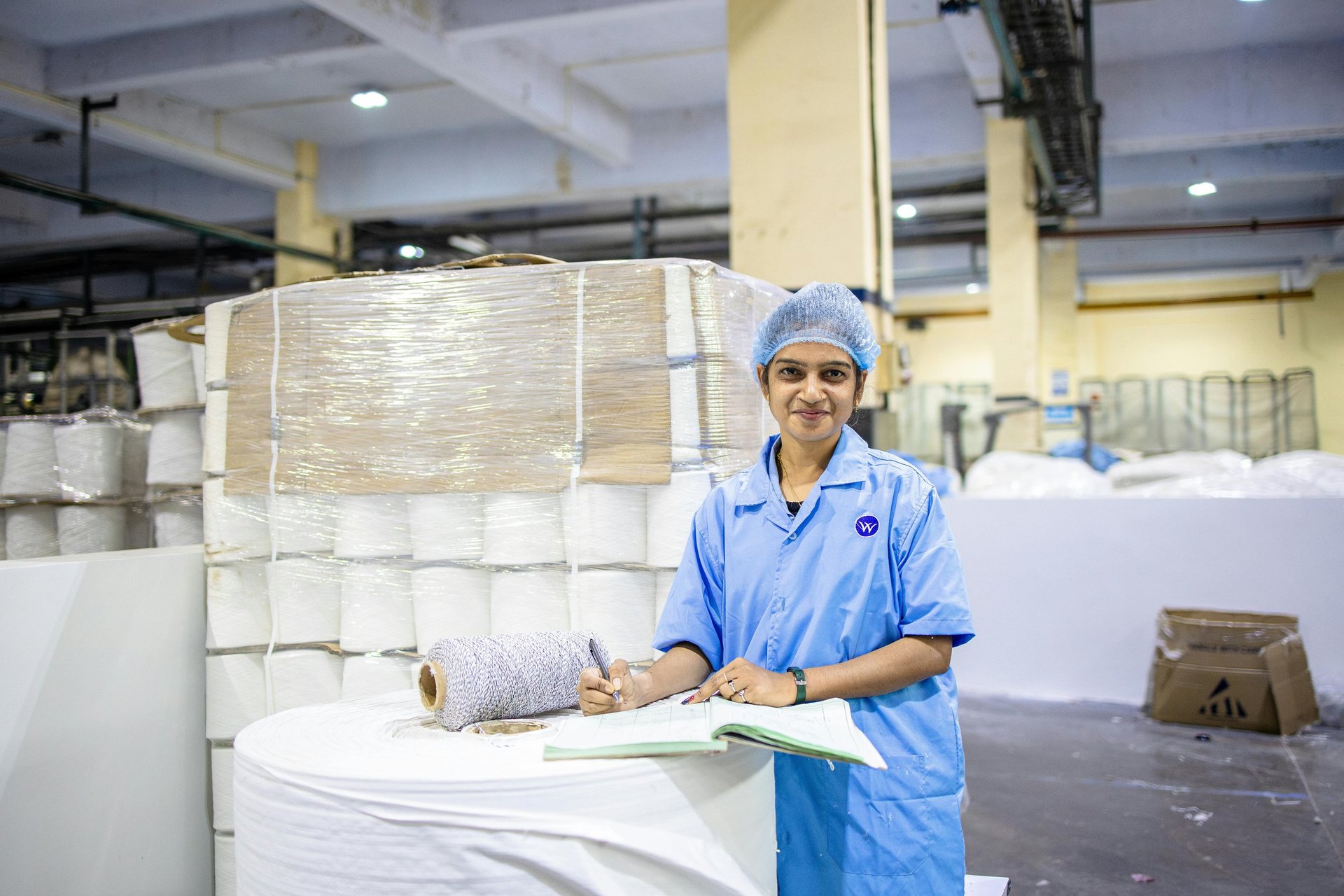
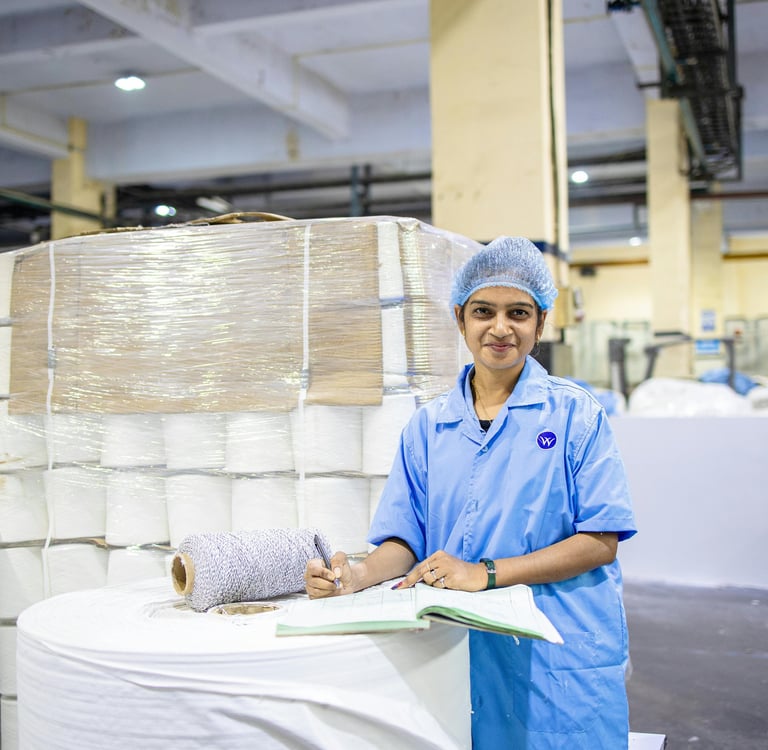
1. Choosing the Right Cotton – Where Quality Actually Begins
The quality of a mulmul saree is decided before weaving even starts.
For mulmul, manufacturers look for:
Long-staple cotton (longer fibers mean smoother yarn)
Low trash and impurity levels
Naturally soft and breathable cotton
Why this matters:
Short fibers create roughness
Poor cotton leads to weak yarn
Weak yarn breaks during weaving or feels harsh later
A good manufacturer never compromises here, because no finishing process can fix bad cotton.
2. Spinning – Making Ultra-Fine Yarn Without Losing Strength
Once cotton is selected, it is spun into yarn.
Mulmul yarn is much finer than regular cotton yarn.
Key points in mulmul spinning:
High yarn count (very thin yarn)
Uniform thickness throughout
Balanced twist (not too tight, not too loose)
If yarn is:
Too loose → fabric becomes weak
Too tight → fabric loses softness
This stage decides:
How light the saree will feel
How smooth it will be on the skin
How long it will last with regular use
True mulmul yarn almost feels invisible in the hand, yet it must still be strong enough to survive weaving.
3. Weaving – Where Mulmul Gets Its Signature Airiness
Weaving is where mulmul truly comes alive.
Mulmul is usually woven in:
Plain weave
Loose, breathable structure
Carefully controlled loom tension
Important weaving factors:
Even spacing between yarns
No excessive tightness
Consistent width across the length
At this stage, the fabric’s:
Drape
Transparency
Flow
are decided.
Even a small mistake in tension can make the fabric stiff or uneven, which completely destroys the mulmul feel.
4. Desizing & Scouring – Removing What Shouldn’t Be There
After weaving, the fabric still contains:
Starch used during weaving
Natural oils from cotton
Dust and processing residues
The fabric is then:
Desized (starch is removed)
Scoured (deep cleaned)
Why this step is crucial:
Fabric becomes truly soft
Cotton opens up and breathes
Printing and dyeing become uniform
Without proper scouring, colors look dull and the fabric feels lifeless.
5. Pre-Washing – The Step Most Buyers Never See
This is one of the most important but least visible steps.
Pre-washing means:
Washing the fabric before printing
Removing initial shrinkage
Eliminating loose fibers and excess starch
Benefits:
Saree shrinks less after customer wash
Color bleeding risk reduces
Fabric becomes more stable
Many complaints in the market—like shrinkage and uneven texture—come from skipping this step to save cost.
6. Printing or Dyeing – Adding Life to Mulmul
Mulmul sarees are loved for their subtle, elegant designs.
Common techniques:
Hand block printing (Bagru, Sanganeri, Ajrakh, etc.)
Soft solid dyeing
Natural or AZO-free dyes
Challenges of printing mulmul:
Fabric absorbs color quickly
Risk of color spreading
Fabric is delicate when wet
That’s why:
Experienced artisans are required
Drying must be slow and controlled
Overprinting must be avoided
A well-printed mulmul saree looks calm and balanced, never loud or patchy.
7. Color Fixing – Making Sure Beauty Lasts
After printing or dyeing, the saree goes through color fixing.
This process:
Bonds dye with cotton fibers
Removes excess surface color
Improves wash durability
This stage decides:
How many washes the saree can handle
Whether colors fade quickly
Whether the saree is safe for sensitive skin
Good fixing means the saree ages gracefully instead of losing charm after a few washes.
8. Final Washing – Softness with Stability
The saree is then gently washed again to:
Remove chemical residues
Balance the fabric texture
Enhance natural softness
This wash is slow and controlled.
Harsh washing can tear or distort mulmul fabric.
9. Finishing – Preparing the Saree for Sale
The final stage includes:
Natural drying
Light ironing or steam finishing
Checking length, borders, and pallu
Removing minor defects manually
Good finishing ensures:
Smooth fall
Clean edges
Premium hand-feel when the customer touches it
This is the moment when a piece of fabric finally becomes a market-ready mulmul saree.
Final Perspective: Why Mulmul Sarees Deserve Respect
A cotton mulmul saree is not cheap fabric. It is:
Time-consuming to make
Skill-intensive
Easy to spoil if handled carelessly
Every step—from cotton selection to finishing—adds value.
Every shortcut reduces quality.
That’s why serious wholesalers, boutique owners, and online sellers always prefer manufacturers who respect the process, not just the price.
Morviya Textile is a trusted cotton mulmul saree wholesaler and manufacturer, specializing in authentic hand block printed sarees crafted by skilled artisans.
We supply premium quality sarees to wholesalers, retailers, boutique owners, and online resellers across India with a strong focus on consistency, fabric purity, and timeless designs.