SPECIAL WHOLESALE PRICES AVAILABLE - CONTACT US FOR BULK ORDERS

How Online Sellers Can Successfully Sell Cotton Mulmul Sarees Without Returns
Cotton mulmul sarees sell very well online because they are light, breathable, and comfortable. But they also face high return risk if not sold the right way. Most returns happen not because the saree is bad, but because the customer’s expectations were not set correctly. This guide explains how online sellers can sell cotton mulmul sarees confidently—without facing returns.
hemant chhipa
1/19/20262 min read
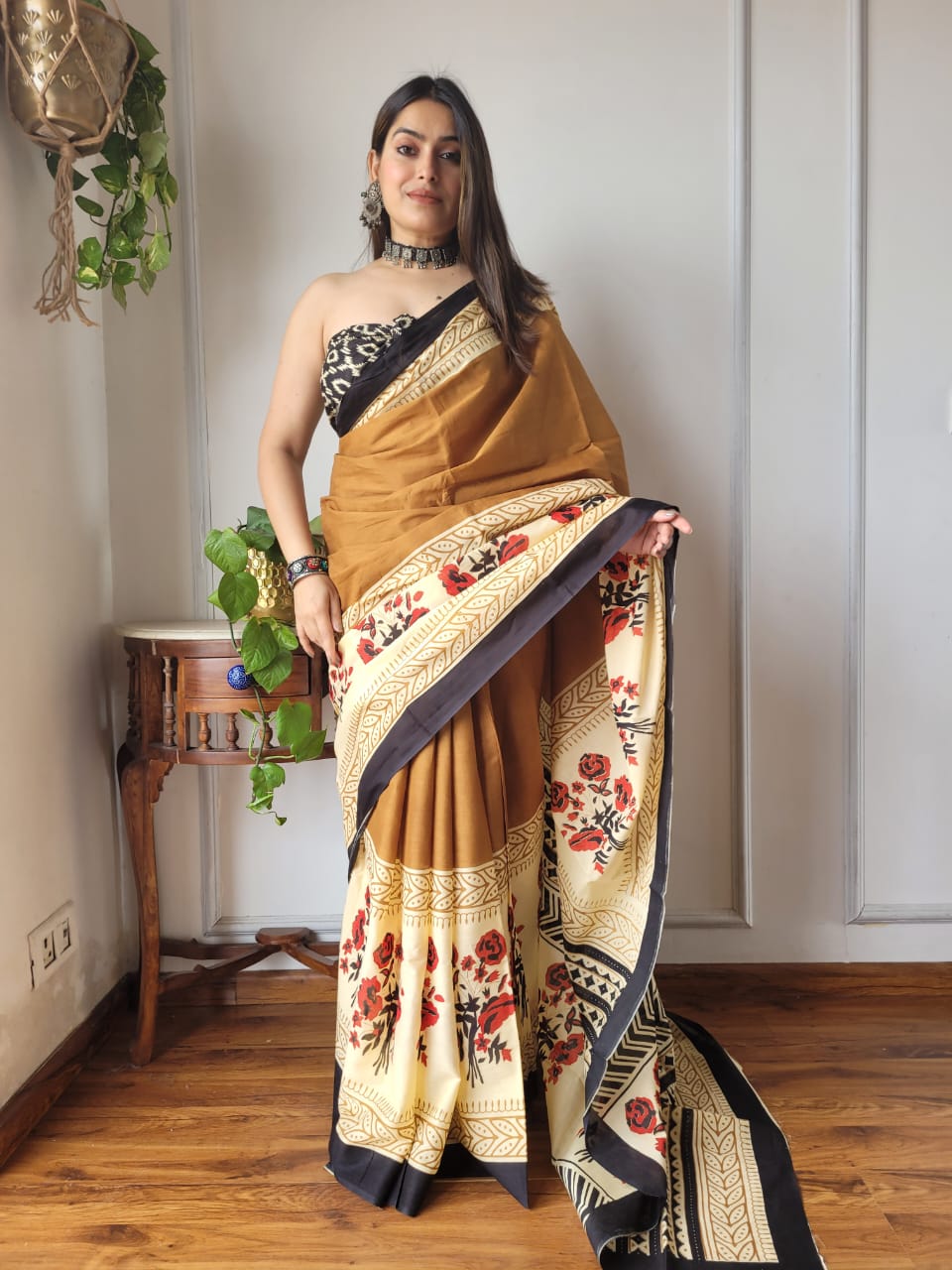
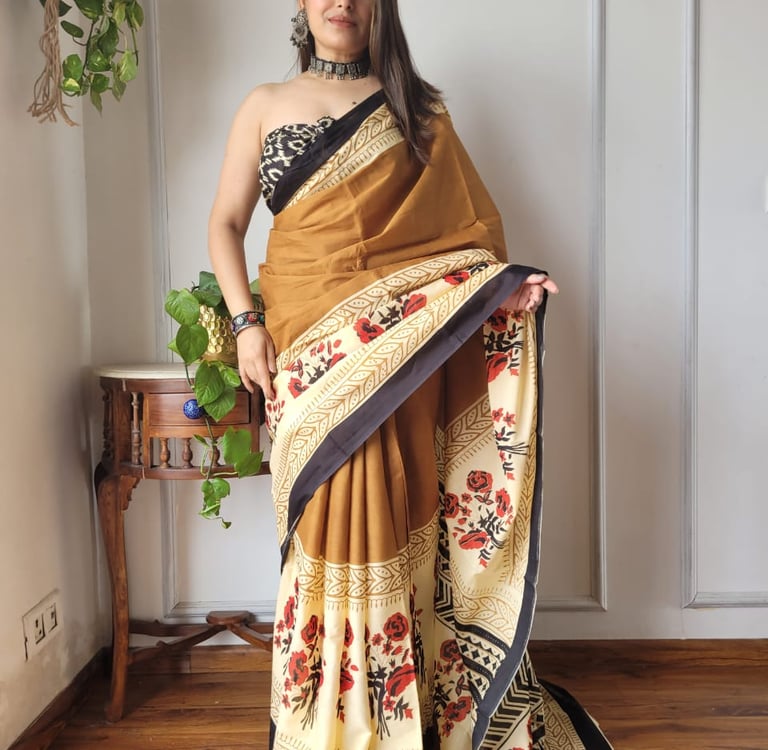
1. Set the Right Fabric Expectations From the Start
The biggest mistake online sellers make is over-promising.
What to Clearly Say:
Mulmul is light and breathable
It is soft, not thick
It is slightly transparent
It is meant for comfort, not stiffness
When customers know what they are buying, returns drop automatically.
2. Show Real Fabric Feel Through Videos
Photos are not enough for mulmul.
Best Practice:
Short hand-feel video
Fabric movement shown in air
Close-up weave view
Natural light recording
Customers need to see how light the fabric is, not just the print.
3. Be Honest About Transparency
Transparency is normal in mulmul—but hiding it causes returns.
What to Do:
Mention “lightweight & airy fabric”
Show saree on model with natural drape
Suggest blouse lining if needed
Customers appreciate honesty more than surprises.
4. Explain Shrinkage Clearly
Shrinkage is one of the top return reasons.
Always Mention:
Whether saree is pre-washed
Expected shrinkage (1–2% is normal)
Care instructions
When customers are informed, they do not complain later.
5. Use Simple Size and Length Information
Never assume customers know saree measurements.
Clearly State:
Saree length (e.g. 5.5 meters)
Width of saree
Blouse piece details
Lack of size clarity leads to confusion and returns.
6. Describe Prints Honestly
For hand block printed mulmul:
Slight variation is normal
Prints are not machine-perfect
Each piece may differ slightly
Say this clearly.
Customers who buy handcrafted products expect uniqueness—if told in advance.
7. Show Color in Natural Light
Artificial lighting creates color mismatch.
Best Practice:
Daylight photos
No heavy filters
Show at least 2 angles
Color mismatch is one of the most expensive return reasons.
8. Share Proper Care Instructions
Many customers damage mulmul unknowingly.
Always Include:
Gentle hand wash recommended
Wash separately first time
Avoid harsh detergents
Dry in shade
Good care instructions reduce post-delivery complaints.
9. Choose the Right Customer, Not Everyone
Mulmul is not for:
People expecting thick fabric
Heavy saree lovers
No-maintenance buyers
Target:
Comfort-focused women
Daily wear users
Summer saree buyers
Right audience = fewer returns.
10. Price Mulmul Correctly
Too cheap creates wrong expectations.
Too expensive creates over-expectation.
Price mulmul based on:
Fabric quality
Print process
Finishing
Correct pricing attracts the right buyer.
11. Use FAQs to Reduce Confusion
Add a small FAQ section:
Is it transparent?
Will it shrink?
Is it handloom?
Is it suitable for daily wear?
FAQs act as pre-sale filters.
12. Pack Sarees Carefully
Poor packing damages first impression.
Do:
Neat folding
Breathable packaging
No heavy compression
First look matters for customer satisfaction.
13. Communicate After Order Placement
A short message like:
“Your cotton mulmul saree is lightweight and breathable. Please follow care instructions for best experience.”
This sets final expectations.
Common Online Selling Mistakes
❌ Calling mulmul “thick cotton”
❌ Hiding transparency
❌ Over-editing photos
❌ Ignoring care instructions
❌ Selling to wrong audience
Final Advice
Returns reduce when honesty increases.
Cotton mulmul sarees sell best online when customers understand the fabric before they receive it.
Educate first. Sell second.
Morviya Textile is a trusted cotton mulmul saree wholesaler and manufacturer, specializing in authentic hand block printed sarees crafted by skilled artisans.
We supply premium quality sarees to wholesalers, retailers, boutique owners, and online resellers across India with a strong focus on consistency, fabric purity, and timeless designs.